When you're buying a Belaz rear wheel hub, it’s more than just grabbing spare parts — it’s really about making a smart, reliable choice. A faulty hub can bring a big haul to a halt, delay your entire operation, and end up costing you more in tyres, bearings, and labor down the line. According to Deloitte’s Tracking the Trends 2024 report, keeping your assets running smoothly and maintaining high reliability are top priorities for mining companies. That’s something to keep in mind here. Just because a part looks good on paper doesn’t mean it will hold up under tough conditions like heavy loads, dust, vibrations, and long hours of operation.
Now, I’ve put together seven practical tips for picking the right Wheel Hub Engineering Machinery Parts Dump Truck Parts 7 Rear Wheel Hub. It’s important to double-check the part number, dimensions, bearing seats, seal setup, material certification, and traceability of your supplier. Don’t just compare it to a photo you see online — cross-reference with the truck’s service manual. Keep in mind that ISO 9001 certification can help ensure consistent processes, but it doesn’t automatically mean the part will perform correctly in your specific setup. Ask your supplier for inspection records, machining tolerances, proof of heat-treatment, and a solid warranty.
Take a good, close look.
Reports from McKinsey and Deloitte keep emphasizing that unplanned downtime hits production hard and can ramp up maintenance costs. Still, it’s all too easy for buyers to focus just on the price — and I get that, we all want to save some cash. But beware — a hub might look fine during installation but actually have poor surface finishing, which could cause issues down the line, like play or wear. I’ve also seen cases where specs sound good, but load ratings aren’t clear enough. That’s where asking the right questions really pays off. These tips aim to help you weigh engineering proof, operational experience, and supplier reliability — making sure you’re making a solid choice, especially in tough BELAZ haulage conditions.
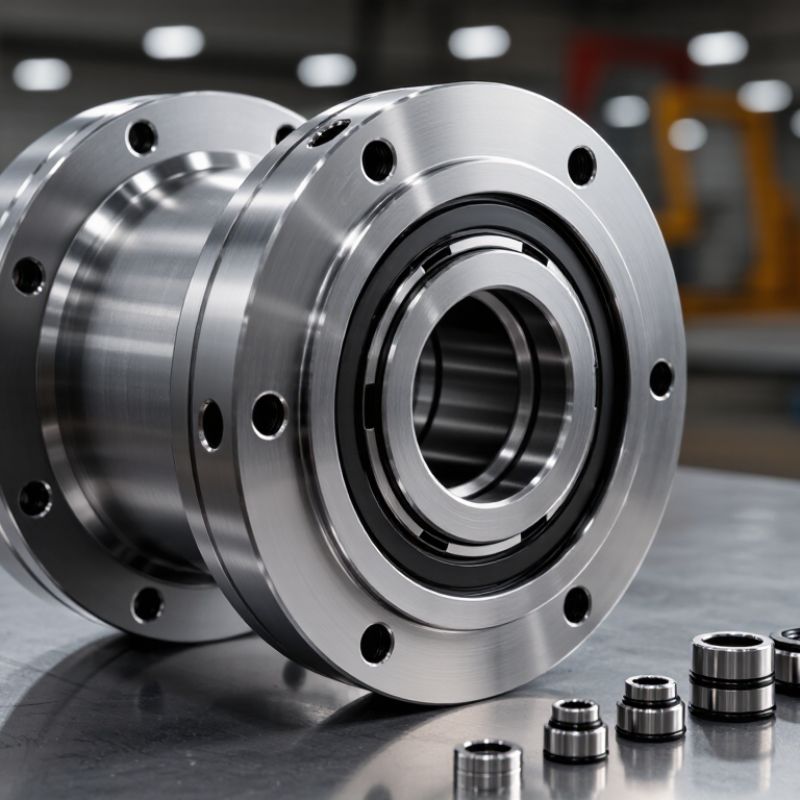
A rear wheel hub is the load-bearing assembly between the axle system and the wheel. It supports the truck’s weight and helps transfer driving torque to the tire. On heavy mining dump trucks, this part works under extreme loads, dust, vibration, and repeated braking heat. It is not merely a round metal holder.
The Rear wheel hub 540-3104013-01 Belaz 7540 Belaz 7547 Belaz 75473 should match the exact axle configuration and production specification. Check the part number carefully. Measure the bearing seats, bolt pattern, flange thickness, and shaft opening before purchase. Small differences matter. A hub with correct dimensions may still fail if its material quality or heat treatment is uncertain.
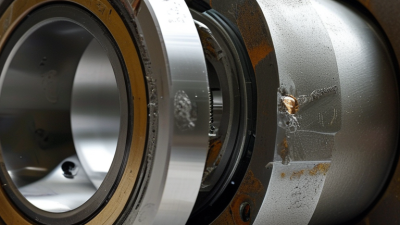
During inspection, look for cracks near the flange, scoring inside bearing seats, and damaged threads. Ask for dimensional reports, material information, and previous service records when available. I have found that clean paint can hide old repairs, so visual appearance deserves limited trust. The seal area needs special attention. Oil marks or polished grooves may indicate poor alignment, not simple wear. Some buyers focus only on price. That approach can overlook fitting labor, downtime, and premature bearing damage. Check everything twice.
Tip 1: Identify the exact dump truck model before requesting a rear wheel hub. Model families can share similar housings, yet their axle loads may differ. Check the machine plate, service manual, and component drawing. Record the production year and serial range. Small details matter.
Tip 2: Compare the part number carefully. The phrase Rear Hub 75306-3104015 for Belaz Dump Trucks parts and Accessories should not be treated as automatic proof of compatibility. Confirm the hub’s outer diameter, mounting-hole pattern, spline design, bearing seats, and seal locations. Ask for a measured technical drawing, not only a catalog photograph.
Tip 3: Match the hub with the vehicle’s working load. Hauling rock on steep, uneven roads creates severe impact forces. A suitable hub should meet the axle rating and material requirements stated in approved service documentation. Request inspection records, heat-treatment details, and dimensional tolerances when available.
Tip 4: Inspect critical surfaces before installation. Look for scoring, casting cracks, distorted holes, and damaged threads.
Tip 5: Confirm bearing and seal compatibility separately. These parts often appear similar but may use different clearances.
Tip 6: Check packaging and corrosion protection, especially after long storage. I have seen clean-looking hubs fail because sealing surfaces were lightly rusted.
Tip 7: Have a qualified technician verify fitment. Measurements can expose catalog mistakes. That extra check is worthwhile.
Buying a rear wheel hub starts with material, not price. For the Belaz 75132 Electric Wheel Hub – Final Drive 75132-2405010-10, request the steel grade, heat-treatment record, and hardness range. Forged alloy steel usually handles repeated shock better than poorly controlled cast material. Still, “forged” alone proves little. Ask for ultrasonic inspection results and dimensional records.
Design details matter under dust, water, and uneven haul roads. Check spline geometry, bearing seats, seal arrangement, lubrication paths, and flange thickness. A slight scoring mark near a bearing seat can become serious after hours of loaded travel. USGS Mineral Commodity Summaries 2024 estimated global iron ore mine production at about 2.5 billion metric tons in 2023, reflecting the extreme scale of material movement. That scale demands traceable components, not vague catalog claims.
Load capacity must match axle load, wheel torque, braking force, and impact factors. Do not compare only the advertised static rating. MSHA’s 2023 summary recorded 40 U.S. mining fatalities, with powered haulage remaining a major hazard category. Proper hub selection supports safer maintenance, although it cannot replace inspection. I have seen buyers overlook bolt preload and seal compression. I still recheck both. Request fatigue calculations, test certificates, and the exact installation torque. A hub that fits can still fail early.
A rear wheel hub must match more than the machine model. Measure the flange diameter, pilot bore, bolt-circle diameter, stud size, and total width. Record each value in millimeters. A difference of one millimeter can create uneven loading. Confirm the wheel offset and brake-disc position, too. They affect clearance around the axle and caliper.
The 2024 USGS Mineral Commodity Summaries place global iron-ore mine production near 2.5 billion metric tons. That volume reflects demanding haulage cycles, where incorrect fitment can quickly become an expensive maintenance problem.
Check compatibility through the axle serial number, production year, load rating, and operating environment. Do not rely on a photograph. Ask for dimensional drawings, material specifications, heat-treatment records, and inspection results.
ISO 286 tolerance tables can help assess shaft and bore fits, but the manufacturer’s service limits remain essential. Review bearing seating, seal direction, lubrication access, and mounting torque. A torque value copied from another assembly may be wrong. Very wrong.
I have seen a visually identical hub fail because its pilot depth differed by only a few millimeters.
Recheck measurements with calibrated tools, and compare the drawing against the removed part.
The U.S. Mine Safety and Health Administration’s 2024 data continues to show that mobile equipment remains a major safety concern, making secure mounting and documented inspection especially important.
Allow room for human error. Have a second technician verify the final dimensions before ordering.
Tip 1: Start with supplier quality, not price. Ask for material certificates, heat-treatment records, dimensional reports, and non-destructive testing results. For the Motor-wheel hub part number 75132-3104015-10, confirm bore size, bolt pattern, weight, and drawing revision. A small mismatch can damage bearings or create unsafe wheel movement. In workshop inspections, clean surfaces can mislead. Measure everything.
Tip 2: Check certification scope carefully. The ISO Survey 2023 recorded 1,265,216 ISO 9001 certificates worldwide. However, certification shows a quality system, not automatic product compatibility. Request the certificate number, expiry date, audit scope, and issuing body. Confirm that the certified site actually manufactures the hub. Some suppliers outsource machining. That detail matters. Ask for calibration records too.
Tip 3: Demand a traceable product history. Reliable suppliers should provide batch numbers, production dates, inspection results, warranty claims, and field-service records. Compare failure patterns across similar heavy-duty applications. A 2024 global manufacturing survey identified supply-chain resilience as a major investment priority, reinforcing the value of documented continuity. Still, reports can contain gaps. Request customer references with comparable axle loads and operating hours. Verify whether replacement hubs survived dust, vibration, water, and repeated braking cycles. Keep every document with the purchase order.
Suggested evaluation focus when comparing rear wheel hub suppliers
Prioritize dimensional accuracy, material verification, and documented product history. Certifications, traceability, warranty terms, delivery capability, and technical support help confirm whether a supplier can provide consistent replacement components for heavy-duty mining equipment.
A low quote can hide costly gaps. Compare hubs with matching dimensions, load ratings, materials, and machining standards. Ask for an itemized price covering the hub, seals, bearings, packaging, and taxes. Check the payment schedule carefully. A cheaper part may need extra adapters or early repairs. Measure the old hub before ordering. Guessing here is expensive.
Review the warranty in plain language. Confirm its duration, mileage limit, and starting date. Ask whether labor, return freight, and inspection fees are covered. Check exclusions for overload, incorrect installation, contamination, and modified equipment. Request written test records and traceable batch information. Reliable suppliers should explain their inspection process without avoiding specific questions. Keep every email and quotation.
Delivery terms deserve equal attention. Confirm stock status, production time, dispatch location, carrier responsibility, and estimated arrival date. Ask how damage is handled when the crate arrives. Photograph the packaging before opening it. For urgent repairs, keep a small time buffer; promised dates can shift. I have seen buyers focus on price and regret ignoring customs paperwork and unloading requirements. That lesson still matters. Read the return conditions before paying, especially for made-to-order hubs. Seven practical checks can prevent a surprisingly large delay.
Buying a rear wheel hub for a heavy-duty haul truck requires more than matching a part number.
Inspect the hub under bright light, especially around the flange, keyway, and bearing seats. Hairline cracks, rough machining, or blue heat marks may indicate previous overload. Check the mounting holes for oval wear. Measure the bore, flange diameter, and bolt pattern against the truck’s service data. Do not rely on appearance alone.
Confirm the hub material, load rating, bearing fit, seal dimensions, and surface finish before ordering. Ask for inspection records and manufacturing traceability. A clear dimensional drawing can prevent an expensive mismatch. Also verify whether the hub includes bearings, seals, nuts, or spacers. Missing small parts can delay a repair.
Installation support matters just as much. Ask for a step-by-step fitting guide, tightening values, bearing adjustment details, and recommended inspection tools. Confirm that a technician can answer questions during installation. Support should include troubleshooting for abnormal play, noise, or temperature. Check the replacement policy before payment. Keep photographs and measurements from the old hub for comparison.
I once underestimated spacer wear because the outer surface looked acceptable. That mistake changed my inspection routine.
A supplier who reviews your axle data carefully is usually more dependable than one who only promises fast shipping. Still, verify every detail yourself. Clearance matters. So does follow-up.
The 75131-3001031-20 lever is a heavy-duty control component designed for large off-highway haul trucks operating in mining, quarrying, and bulk-material transport. Its main functions include transmitting operator input to the vehicle’s control system, maintaining accurate command response, and supporting reliable operation under vibration, dust, moisture, and wide temperature fluctuations. A robust mechanical interface, stable return action, and corrosion-resistant construction are important features when a component is used in high-load production cycles. According to the U.S. Geological Survey’s *Mineral Commodity Summaries 2024*, global iron ore mine production exceeded 2.4 billion metric tons in 2023, highlighting the demanding operating scale of equipment used in this sector.
When selecting this lever, maintenance teams should first verify the complete part number, mounting geometry, shaft or linkage dimensions, travel range, and compatibility with the truck’s control assembly. The replacement should also match the original material strength, sealing arrangement, and connection type to prevent excessive play or delayed response. Industry research from the Global Mining Guidelines Group consistently emphasizes equipment availability and maintainability as key factors in mine productivity; therefore, a properly matched lever can help reduce unplanned downtime and simplify scheduled servicing. Buyers should confirm operating temperature, duty cycle, supplier quality documentation, and inspection procedures before installation.
Check the truck’s machine plate, service manual, and component drawing. Record its model, production year, and serial range. Similar housings may have different axle ratings. Small details matter.
No. Compare the outer diameter, mounting-hole pattern, spline design, bearing seats, and seal locations. Request a measured technical drawing. Catalog photographs can mislead.
Match the hub with the approved axle rating and material requirements. Steep, rocky roads create heavy impact forces. Repeated braking adds heat and stress. Ask for inspection records and heat-treatment details.
Check for scoring, casting cracks, distorted holes, and damaged threads. Examine every sealing surface under good light. Measure critical dimensions. Clean appearance proves very little.
Yes. Similar-looking parts may have different clearances or sealing dimensions. Confirm their sizes independently. A small mismatch can damage the bearing or cause leakage.
Request material certificates, heat-treatment records, dimensional reports, and non-destructive testing results. Ask for the drawing revision and calibration records. Keep these documents with the purchase order.
Check the certificate number, expiry date, audit scope, and issuing organization. Confirm that the certified site actually makes the hub. Some suppliers outsource machining. That detail matters.
Ask for batch numbers, production dates, inspection results, warranty claims, and service records. Seek references involving similar axle loads and operating hours. Verify performance in dust, vibration, water, and repeated braking.
Inspect the packaging and corrosion protection before installation. Look closely at bearing seats and seal surfaces. Light rust can cause failure. I may overlook hidden damage, so a qualified technician should verify fitment.
Buying a Belaz Rear Wheel Hub requires careful evaluation to ensure safe performance, long service life, and proper vehicle compatibility. Start by identifying the exact vehicle model and confirming the hub’s specifications, including dimensions, mounting pattern, bearing arrangement, load capacity, and other technical requirements. Pay close attention to the hub’s material, manufacturing quality, structural design, and resistance to heavy-duty operating conditions. Accurate measurements and compatibility checks can help prevent installation problems, premature wear, and costly downtime.
Before placing an order, evaluate the supplier’s production standards, certifications, quality-control procedures, and product history. Compare pricing together with warranty coverage, delivery schedules, return terms, and technical support rather than choosing solely by the lowest quotation. When the hub arrives, inspect it for cracks, deformation, corrosion, machining defects, and missing components. Finally, confirm that installation guidance, fitting tools, and after-sales assistance are available so the Belaz Rear Wheel Hub can be installed correctly and perform reliably.