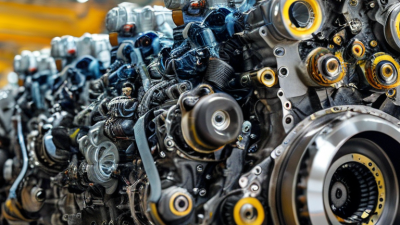
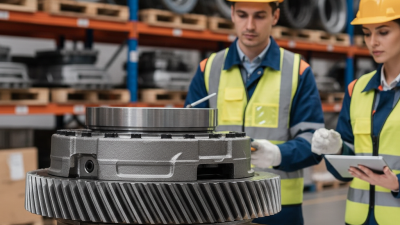
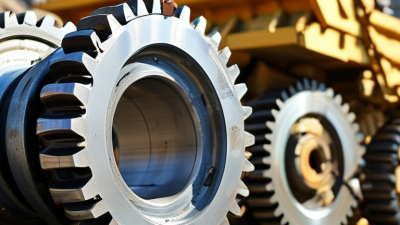
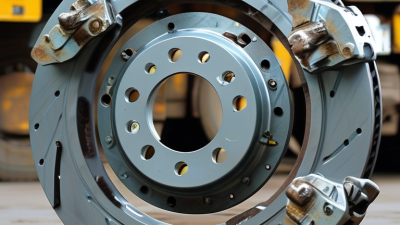
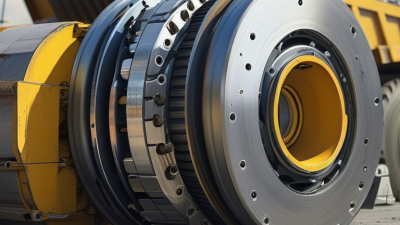
Lately, we've been seeing a big surge in the global demand for heavy machinery, and experts are saying the market could hit around $400 billion by 2025. That kind of growth really puts a spotlight on how important it is to get high-quality parts — especially if you're in industries where tough, reliable equipment is king. One area that's super crucial is sourcing BelAZ engine parts. These parts are vital for keeping BelAZ trucks running smoothly and dependably, and as you probably know, those trucks are dominating a ton of different sectors.
Industry folks keep stressing how vital it is to work with trustworthy suppliers when it comes to BelAZ engine parts. I recently read a report that says about 65% of machinery breakdowns are caused by subpar components — so you definitely don’t want to cut corners here. Ensuring quality, checking that suppliers follow international standards, and paying attention to things like warranties, availability, and reputation can make a huge difference.
Getting the right parts the first time can save a ton of headaches—and costly downtime—while also helping your equipment last longer. But, let’s be real, not every supplier is up to par. Doing your homework and vetting suppliers thoroughly can help avoid some major issues down the line. As the industry gets more complex, so do the challenges around sourcing quality parts, which is why having a solid strategy is more important than ever. This guide is here to help you navigate those tricky waters, so you can confidently pick the best suppliers in the global market.

Factors to Consider When Purchasing Belaz Engine Parts for Global Suppliers
When purchasing Belaz engine parts, various factors come into play. Quality is paramount. Always check the material specifications. Parts made from superior materials tend to last longer. Cheap options may save money upfront but could lead to costly repairs later. Verify certification from manufacturers. This ensures the parts meet industry standards.
Compatibility is another crucial aspect. Ensure the parts align with the specific Belaz model being serviced. Incorrect parts can lead to poor performance. Understanding the engine's specifications can prevent these mismatches. Reach out to suppliers for accurate compatibility information.
Additionally, consider the supplier's reputation. Research their history in the market. Customer reviews can offer insights into their reliability. A supplier with a trustworthy track record is more likely to provide quality Engine Auto Parts. It’s wise to reflect on experiences with different suppliers. This reflection can guide future purchases. Building a solid relationship with a dependable source can make maintenance easier and more efficient.
Understanding the Specifications of Belaz Engine Parts for Optimal Performance
When selecting engine parts, understanding specifications is crucial for optimal performance. Each component plays a role in overall functionality. Dimensions, materials, and compatibility are essential factors to consider. Knowing the weight and structure of each part can significantly influence the efficiency of the engine. For instance, lightweight materials often enhance speed without sacrificing strength.
Careful evaluation of performance metrics is vital. Consider factors like horsepower and torque ratings when choosing parts. These specifications affect how well the engine responds under different conditions. Additionally, parts designed for specific climates or terrains may perform better than generic options.
Relying solely on catalog descriptions can be misleading. It's important to consult with experts in the field to make informed decisions. Feedback from users can provide practical insights that specifications alone cannot offer. Reflecting on past experiences with similar parts can also guide future purchases. Understanding your needs and the conditions your machinery will face can lead to better outcomes.
Belaz Engine Parts Performance Comparison
Evaluating Quality Standards: Certifications and Testing for Engine Parts
When purchasing engine parts globally, it is essential to evaluate their quality standards. Certifications are crucial in determining the reliability of these components. Look for parts with recognized certifications, such as ISO or SAE. These certifications indicate that manufacturers adhere to strict quality control standards. However, certifications alone do not guarantee performance; rigorous testing is equally important.
Testing should focus on durability, performance, and compliance with industry standards. Parts must be tested under various conditions to ensure they can withstand operational stresses. A supplier's willingness to provide test results reflects their commitment to quality. Nonetheless, some manufacturers may not openly share this information, which could raise concerns about transparency.
Tips: Always ask suppliers about their testing processes. Check for third-party validation of their claims. Trust your instincts; if something feels off, do additional research. Peer reviews from other users can offer insight into their experiences. Remember, not all suppliers prioritize quality equally. Balancing cost with quality assurance will yield better long-term results.
Belaz Engine Parts Buying Guide for Global Suppliers
| Part Type |
Material |
Quality Standard |
Certification |
Testing Method |
| Piston |
Aluminum Alloy |
ISO 9001:2015 |
TS16949 |
Dimensional Inspection |
| Cylinder Head |
Cast Iron |
SAE Standards |
ISO 14001 |
Pressure Testing |
| Crankshaft |
Steel Alloy |
ASTM A276 |
ACEA |
Torque Testing |
| Fuel Injector |
Plastic and Metal |
ISO/TS 16949 |
ISO 45001 |
Flow Rate Testing |
| Timing Belt |
Synthetic Rubber |
DIN 7715 |
ISO 9001 |
Wear Testing |
Analyzing Cost-Effectiveness: Price Comparison of Belaz Engine Parts
When considering Belaz engine parts, analyzing cost-effectiveness is crucial. Recent industry reports indicate that prices for these components can vary significantly across global suppliers. This variability often results from differences in production volumes, sourcing strategies, and overhead costs. For instance, some suppliers might leverage bulk purchasing power to reduce overall costs, whilst others may focus on niche quality metrics.
It's essential to perform a comprehensive price comparison before making a purchase. A recent study showed that opting for local suppliers can save up to 20% in shipping costs. However, sourcing from established international suppliers can sometimes offer more reliable quality standards. Always assess the material specifications and warranty terms, as these factors can impact long-term maintenance costs.
Reflecting on purchasing decisions, remember the importance of balancing price with quality. Some suppliers might advertise lower prices but lack the longevity required for effective performance. Engaging with multiple suppliers can provide insights into market norms and quality expectations for Engine Spare Parts. Ensure transparency in supplier communications, which can reveal hidden costs or potential delays.
The Role of Supply Chain Logistics in Sourcing Belaz Engine Parts
When sourcing Belaz engine parts, effective supply chain logistics play a crucial role. Understanding the entire logistics process can enhance both efficiency and reliability. Buyers need to analyze transportation routes to minimize delays. This also affects the cost of parts. Proper planning can lead to better inventory management, reducing excess stock or shortages.
Successful sourcing involves collaboration with international suppliers. Establishing clear communication can prevent misunderstandings. It is vital to maintain transparency throughout the supply chain. This means regularly updating all parties involved. Develop relationships with logistic partners to streamline processes. Quality control checks should be a priority. Spot potential issues early to avoid bigger problems later.
Consider these aspects during your sourcing journey. Look at multiple suppliers to find the best fit. Leverage technology for tracking shipments in real-time. It might reveal areas to improve. Adjusting strategies based on feedback can lead to significant enhancements. Being adaptable in logistics is essential for ongoing success.
Best Practices for Supplier Negotiations in the Belaz Engine Parts Market
Negotiating with suppliers in the Belaz engine parts market requires a strategic approach. Understanding market trends and supplier capabilities is crucial for effective negotiation. It's important to leverage your knowledge of Truck Engine Parts and be informed about quality standards. This ensures you can confidently assert your requirements during discussions.
When preparing for negotiations, gather data on pricing, part specifications, and lead times. Do not underestimate the power of asking for references or previous work. This builds trust and can lead to better terms. Remember, not all suppliers may meet the expected standards, so evaluate their history carefully.
Keep communication open. Express your needs clearly, but also listen to the seller’s perspective. Being flexible can sometimes lead to better deals. Reflect on past experiences with suppliers. Learning from these can inform your current strategies. Balancing assertiveness with cooperation is key in achieving favorable outcomes in the Belaz engine parts market.
Future Trends in Belaz Engine Parts Manufacturing and Global Supply Chains
The future of manufacturing Diesel Engine Parts is shifting dramatically. Emerging technologies like 3D printing and AI are changing production methods. These innovations enhance efficiency and reduce waste. Manufacturers must adapt to harness these advancements. Staying updated on technology is crucial. Many companies face challenges integrating these new processes. Traditional practices often clash with modern approaches.
Global supply chains for Diesel Engine Parts are also evolving. The pandemic exposed vulnerabilities that need addressing. Companies are reassessing their logistics strategies to build resilience. Diversifying suppliers is essential to mitigate risks. However, this can lead to complexities in management. Balancing cost efficiency with reliability is a constant challenge.
Sustainability will play a key role moving forward. Manufacturers are under pressure to meet eco-friendly standards. This may require rethinking materials and processes. Investing in green technologies is essential for future viability. However, the transition can be daunting. Companies must track performance metrics closely to evaluate progress. Although there are hurdles, the potential for growth and innovation in the Diesel Engine Parts sector is significant.
FAQS
: Prices vary due to production volumes, sourcing strategies, and overhead costs. Different suppliers have different approaches.
Choosing local suppliers may save up to 20% in shipping costs. This can lead to significant savings over time.
Not necessarily. Some low-priced parts lack longevity. Balancing cost and quality is crucial in purchasing decisions.
Analyze transportation routes, supplier reliability, and material specifications. Effective logistics are essential for success.
Clear, ongoing communication is vital. It helps prevent misunderstandings and uncovers hidden costs or delays.
Technologies like 3D printing and AI enhance efficiency and reduce waste. Adapting to these changes is critical for manufacturers.
It can introduce complexities in management. Balancing cost efficiency and reliability is often challenging.
There's increasing pressure to meet eco-friendly standards. Companies must rethink materials and processes to remain competitive.
It allows manufacturers to evaluate progress and improve strategies. Regular reviews can reveal areas for better efficiency.
Traditional practices can clash with modern methods, making integration difficult. Continuous adaptation is essential for overcoming these hurdles.
Conclusion
When purchasing Belaz Engine Parts from global suppliers, it is crucial to consider multiple factors to ensure optimal performance and cost-effectiveness. Understanding the specifications of these parts will aid in making informed decisions, while evaluating quality standards and certifications is essential for maintaining performance reliability.
Cost-effectiveness should also be analyzed through price comparisons, which can significantly impact procurement strategies. Additionally, the role of supply chain logistics cannot be overlooked, as efficient sourcing is critical in the global market. Employing best practices for supplier negotiations will further enhance the procurement process. Finally, staying updated on future trends in Belaz Engine Parts manufacturing and supply chains can provide a competitive edge in this dynamic industry.