Leave Your Message
-
Phone
-
E-mail
-
Whatsapp

-
Whatsapp

BelAZ’s electromechanical transmission systems are built to handle massive loads in open-pit mines — and trust me, that means dealing with dust, vibrations, and steep slopes on the daily. So, if you’re looking into the top 10 suppliers for BelAZ electromechanical transmissions in China, this guide’s got you covered. We'll take a close look at what they actually bring to the table, focusing on their engineering skills, consistency in production, quality documentation, and how they support their customers after the sale.
Mining drivetrain expert Pavel Sokolov puts it simply but accurately: "A reliable transmission is really tested during the toughest shifts, not just in a catalog." His words come from real-world experience out in the field. These suppliers need to support not only traction motors and control units but also gear systems, cooling setups, and replacement parts that actually fit. It’s also super important that they clearly explain their testing procedures, the materials they use, and what their warranties cover. Little things matter — sealing connectors properly, keeping heat under control… those kind of details make all the difference.
This overview is mainly for companies managing big mining fleets and maintenance teams. It also checks whether these suppliers can provide parts for popular BelAZ models without worrying about compatibility issues. If you stumble upon terms like Reactors hub 7548-1709202 when searching online, don’t assume it guarantees quality. You really should verify what it means, where it came from, and if it’s the right fit for your needs. Just because it shows up in search results doesn’t automatically mean it’s good stuff — that’s a pitfall to watch out for.
Now, I should say that rankings of suppliers aren’t perfect — public info can be sparse, and performance can vary from batch to batch. Cheaper units might seem tempting upfront but could end up costing you more in downtime down the line. So, when choosing a supplier, it’s smart to base your decision on solid evidence — like inspection records, how they communicate technically, delivery reliability, and what other users are saying. Always do your own technical checks before pulling the trigger on any purchase. After all, reliable equipment starts with good, tangible proof.
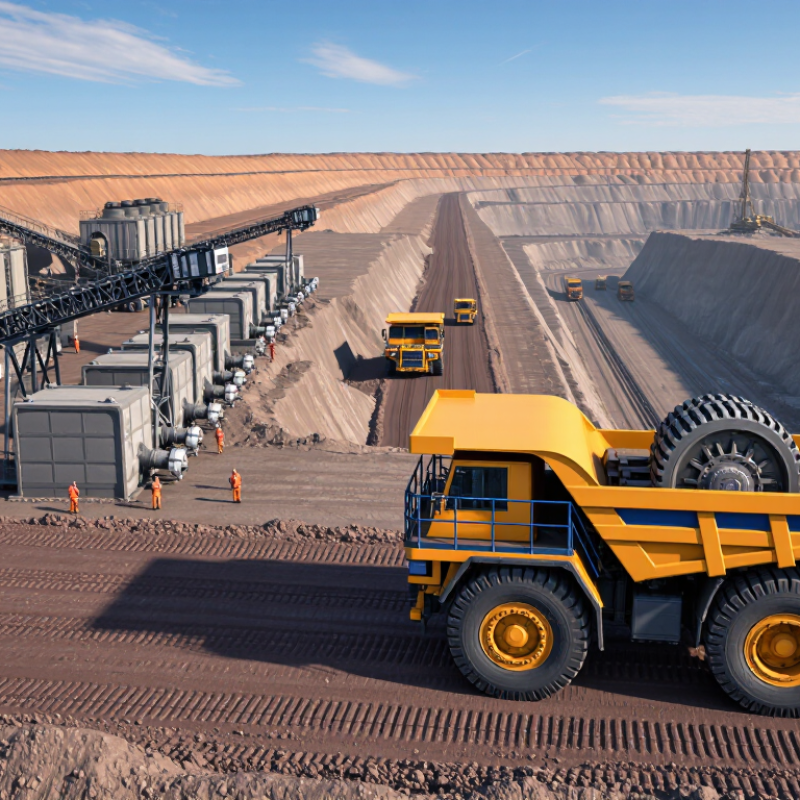
A heavy haul truck’s electromechanical transmission converts engine power into controlled wheel torque. The main chain includes an alternator, power electronics, traction motors, cooling circuits, and monitoring sensors. Each section affects uptime.
A weak connector can create faults that look like motor failure. That is why experienced technicians check wiring, insulation resistance, oil leaks, and fault records together.
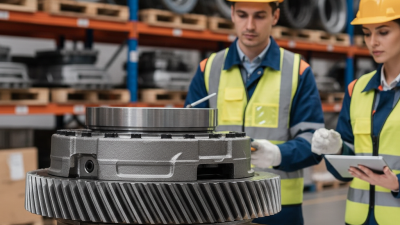
Supplier selection should follow working conditions, not catalog size. A reliable supplier should provide dimensional drawings, material data, inspection reports, and traceable batch records. Matching gear 7540B-1731002 7547-1731002 7548-1731002 BelAZ transmission parts must be verified against the transmission serial number and service history. Small differences in tooth profile or heat treatment can increase noise and wear. Measurement matters.
Field checks need practical detail.
Inspect gear teeth under clean lighting. Look for pitting, chipped edges, abnormal polishing, and uneven contact marks. During operation, record motor temperature, vibration, braking behavior, and diagnostic codes.
Dust, steep grades, and repeated overloads change service expectations. A supplier may offer a technically correct component, yet poor packaging can damage it before installation. That weakness is easy to overlook.
Maintenance plans also need review, because replacement intervals based only on hours may be misleading. Load cycles and ambient heat can matter more.
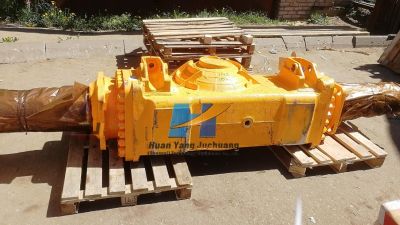
The rear axle housing 7555A-2401010 is engineered for 540- and 549-class mining dump trucks operating in demanding open-pit environments. Produced in China under strict OEM-quality controls, it uses high-strength, wear-resistant materials to handle heavy loads, impact, dust, vibration, and uneven haul roads. Precision machining ensures accurate dimensions, smooth alignment, and a dependable fit, helping maintenance teams complete replacement work with fewer installation adjustments.
Mining productivity depends heavily on equipment availability. Deloitte’s *Tracking the Trends 2024* identifies reliability, productivity, and operational resilience as continuing priorities for mining companies, while the International Energy Agency’s *Global Critical Minerals Outlook 2024* highlights sustained growth in mineral demand and the need for more efficient production systems. A durable axle housing supports these goals by protecting critical drivetrain structures, reducing premature wear, and helping limit unplanned downtime during intensive hauling cycles.
Designed for long service life, this component provides stable support for the rear axle assembly and consistent performance under high-load conditions. Its robust construction is suitable for harsh mine sites where component failure can increase repair costs and interrupt production schedules. As a China factory supplier, we offer dependable manufacturing, accurate specifications, and practical support for operators seeking replacement parts that improve truck reliability and maintenance efficiency.
Compare torque capacity, gear accuracy, housing strength, thermal control, and service support. Price alone can hide future downtime costs.
Request material certificates, heat-treatment records, drawings, tolerance data, and factory inspection reports. Evidence matters more than polished brochures.
Measure tooth hardness, backlash, spline fit, bearing seats, and surface finish. Use documented instruments and record every result.
Controlled heat treatment improves gear strength and wear resistance. Ask about treatment depth, hardness results, and inspection methods.
Use a small, controlled batch before approving repeat orders. Check dimensions, sealing, vibration, packaging, and corrosion protection.
Confirm the exact equipment model and working conditions. Compare drawings, mounting dimensions, spline details, lubrication needs, and load requirements.
CNC gear shaping, controlled heat treatment, and precision inspection are useful signs. Digital reports can improve traceability, but they need verification.
Include tooling, inspection, freight, customs documents, warranty handling, and downtime risk. The cheapest quotation may not be cheapest overall.
Review business records, audit history, production capacity, and references from similar heavy-duty applications. A factory visit can reveal small problems.
Set measurable acceptance criteria, revision-controlled drawings, delivery milestones, warranty terms, and defect remedies. No supplier is flawless. Records still matter.
This article provides a practical overview of Belaz Electromechanical Transmission systems, explaining their operating principles, key components, and importance in demanding mining and heavy-duty applications. It examines China’s role in the related supply chain, including manufacturing capabilities, engineering support, production capacity, quality control, and international delivery experience. The discussion also introduces clear criteria for evaluating Chinese suppliers, such as technical expertise, product compatibility, customization ability, testing standards, after-sales service, and cost efficiency.
A comparison of the top 10 Chinese suppliers focuses on their product capabilities, transmission technologies, control systems, reliability, and suitability for different equipment requirements. The article concludes with useful procurement guidance, covering technical specifications, certification, communication, lead times, warranty terms, spare-parts availability, and lifecycle costs. By combining technical evaluation with commercial and service considerations, readers can make more informed decisions when selecting a dependable supplier for Belaz Electromechanical Transmission solutions.