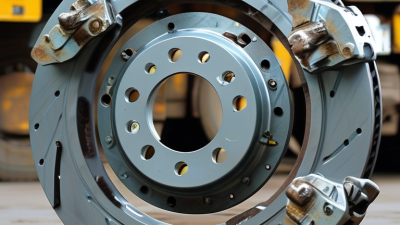
From Mine Site to Inspection Bench: Why BELAZ Parts Procurement Is About More Than Price
A Mine Haul Truck doesn’t measure savings just by looking at invoices. It measures them in loaded cycles, brake response, component life, and downtime you didn’t have to deal with. For BELAZ operators, a cheap replacement part can look like a great deal. But get the alloy wrong, skip proper heat treatment, or use an inconsistent seal, and that truck can end up parked right beside the pit.
PwC’s Mine 2024 report points to the ongoing pressure mining companies face — improve productivity, keep costs under control, and build operational resilience. Deloitte’s Tracking the Trends 2024 also flags digital maintenance, asset reliability, and disciplined execution as big priorities. That matters when you’re sourcing BELAZ parts. Procurement teams should look at traceability, dimensional accuracy, testing records, warranty terms, and delivery consistency. Price? Sure, it matters. It’s just not the whole story.
W. Edwards Deming, a leading quality-management expert whose principles still influence industrial maintenance, put it this way: “Quality comes not from inspection, but from the improvement of the production process.” It’s a practical warning. Inspection can’t fix a manufacturing process that was poorly controlled in the first place.
Reliable China BELAZ Parts Suppliers should offer more than attractive quotes. They should be able to explain material grades, machining tolerances, inspection methods, and field-service experience. A supplier that actually understands dust, vibration, heavy payloads, and harsh haul roads adds real, measurable value. Sometimes the cheapest part survives. Sometimes it becomes the most expensive choice after an unexpected failure.
Even with familiar suppliers, procurement teams should stay a little skeptical. Ask for evidence, not promises. Compare performance across the mine site and the inspection bench. That’s where a supplier’s real capability shows up.
BELAZ Trucks and Parts: From 30-Tonne Haulers to the 450-Tonne 75710
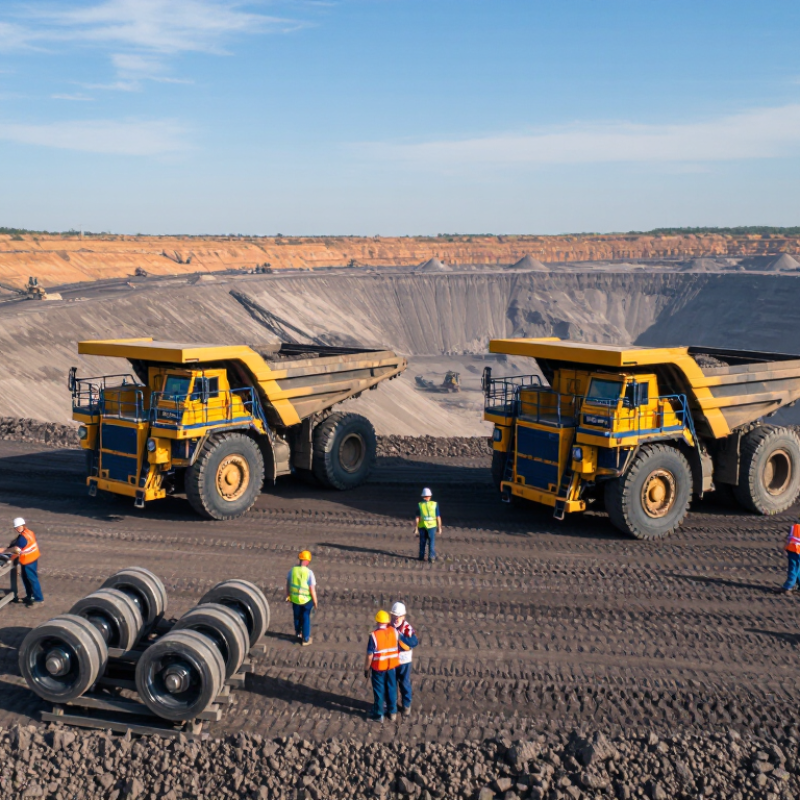
BELAZ trucks span a wide working range, from 30-tonne haulers to the 450-tonne 75710 class. This difference changes everything: road design, loading tools, tyre planning, braking control, and maintenance access. A 30-tonne unit may suit narrow benches and shorter cycles. The 450-tonne class requires stronger haul roads and carefully managed turning areas.
The International Energy Agency’s Global Critical Minerals Outlook 2024 projects lithium demand could rise about ninefold by 2040 under its stated- policies scenario. More mineral movement may increase demand for heavy haulage, but payload alone can mislead. Fuel burn, empty-return distance, hydraulic downtime, and component availability often decide real cost. Field inspections should examine oil contamination, pump pressure, frame cracks, and service records. Buyers searching “Oil pump Belaz Price Belaz Truck Belaz Truck Price Dump Truck Belaz” should compare lifecycle data, not only purchase quotations.
Tips: Ask suppliers for verified operating-hour data. Check oil-pump availability in your region. Request parts lead times in writing. A low initial price may become expensive after repeated downtime. I have seen specifications look impressive on paper, yet site conditions changed the result. That is worth questioning.
China’s BELAZ Parts Market: OEM, Authorized, and Aftermarket Supplier Tiers
China’s heavy mining equipment parts market is divided into three practical supplier tiers: OEM, authorized, and aftermarket. Each tier serves a different maintenance strategy, not merely a different price range.
OEM suppliers usually provide exact specifications, controlled materials, and complete production records. Their parts suit fleets where downtime costs more than purchase savings.
Authorized suppliers may offer approved components, technical guidance, and better regional availability. Lead times can still vary.
Aftermarket suppliers provide filters, pins, bushings, hydraulic pumps, and electrical parts at competitive prices. Quality ranges widely, even within one product category.
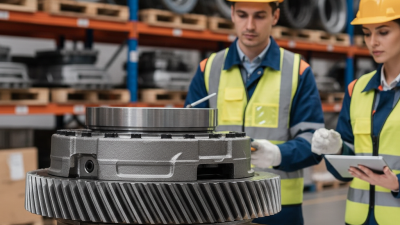
In field purchasing, I check drawings, material certificates, heat-treatment records, and batch traceability before comparing quotations. A polished catalog proves little. The real test is dimensional consistency after installation. One supplier once offered a cheaper bushing, but its surface hardness was unclear. That uncertainty created avoidable wear. I should have requested inspection data earlier.
Buyers should review warranty terms, replacement procedures, packaging quality, and technical communication. Sample testing helps, especially for hydraulic and load-bearing components. Independent inspection is useful when records appear incomplete. Low price has value only when service life, fit, and delivery reliability are measurable. Mistakes happen. Clear evidence reduces their cost.
Critical Components: Engines, Transmissions, Hydraulics, Axles, and Brakes
China Top BELAZ Parts Suppliers Beyond Low Price?
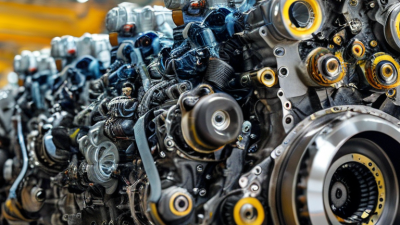
Reliable suppliers for mining dump truck parts should be judged beyond price. Engine performance affects fuel use, starting reliability, and operating temperature. A suitable transmission must handle heavy loads without harsh shifting. Field experience shows that small specification differences can cause serious downtime.
Hydraulic pumps need stable pressure and clean internal machining. Contaminated oil may damage valves within hours. Axles must match the truck’s load rating, gear ratio, and mounting dimensions. Brake components require accurate friction materials and dependable heat resistance. Ask for material certificates, dimensional reports, pressure-test records, and traceable batch numbers. A professional supplier should explain compatibility clearly, not simply promise fast delivery.
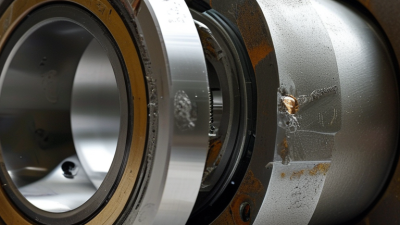
Tips: Compare service life, testing, warranty terms, and technical support. Check seals, bearings, and casting surfaces before installation. I once accepted a lower-cost hydraulic assembly after checking only its dimensions. It fitted, but its pressure response was inconsistent. That mistake reminded me that appearance proves little. Request sample inspections and confirm replacement procedures before purchasing. Keep installation records, oil analysis results, and failure photographs. These details help suppliers investigate real causes instead of guessing. Reliability is built through evidence, communication, and careful verification.
Critical Component Priorities in Heavy-Duty Mining Trucks
Price is only one part of component selection. This benchmark index combines downtime impact, safety sensitivity, reliability requirements, and service complexity on a 0–100 scale. Higher scores indicate components that generally require stronger engineering support and lifecycle management.
Engines, transmissions, axles, hydraulics, and brakes should be evaluated through total lifecycle value, including reliability, maintenance access, parts availability, and operational safety—not purchase price alone.
Quality Verification Through ISO 9001, Material Tests, and Part Traceability
When sourcing heavy-equipment components, Hydraulic radiator Belaz Price Belaz Truck Belaz Truck Price searches often prioritize cost. Price matters, but verification protects uptime. The ISO Survey 2022 recorded 1,265,216 ISO 9001 certificates worldwide. Certification shows a controlled management system, not automatic product quality. Buyers should check the certificate scope, issuing body, and latest audit status.
A reliable supplier provides material certificates for each production batch. Test records should show chemical composition, tensile strength, hardness, and pressure results. For radiators, inspectors can compare tube dimensions, fin density, weld quality, and leak-test pressure. I have seen inexpensive parts fail because their test documents lacked heat numbers. That gap is easy to miss. Part traceability links the component to raw material, production date, operator, and final inspection. ISO 9001 supports this control, while documented inspection creates stronger evidence.
Tips: Request a sample certificate before ordering. Match every report number with the part label. Ask for photos of laser markings and packing records. Use an independent laboratory for random material tests. Do not accept “tested” without test values, methods, and dates. A low price may still be reasonable, but only when the evidence is complete. Industry quality reports often expose this weakness: paperwork can look professional while traceability remains incomplete.
Engineering Fit: Tolerances, Load Ratings, Compatibility, and Service Life
Choosing a heavy-duty parts supplier in China requires more than comparing a listed price. Engineering fit determines whether a replacement component works safely in the field.
A half shaft must match the axle geometry, spline profile, flange pattern, and installation clearance. A difference of one millimeter can create vibration or uneven loading. Load ratings also deserve careful checking. The shaft should handle torque peaks, shock loads, and repeated starts on steep haul roads. Ask for material specifications, heat-treatment records, dimensional inspection reports, and batch traceability. Paperwork is useful. Measured evidence is better.
Compatibility includes more than physical fit. Seal dimensions, bearing seats, lubrication paths, and fastener grades can affect service life. Experienced maintenance teams often compare a new part against the removed component before installation. They check surface hardness and runout when practical. This catches problems early. Still, inspections are not perfect. A supplier may provide detailed drawings, yet field conditions can expose weaknesses that testing missed. That needs honest review.
Service life depends on operating weight, road conditions, maintenance intervals, and installation quality. A low-cost part may become expensive after premature downtime. Search terms such as “Half shaft Belaz Price Belaz Truck Belaz Truck Price” may attract attention, but technical records should guide the purchase. Request a clear warranty process and realistic lead times. Suppliers who discuss tolerances openly usually understand the consequences of poor fit. That matters when every hour of equipment downtime affects production.
Total Cost of Ownership: Downtime, Warranty, Lead Time, and MTBF Data
Selecting China-based heavy-equipment parts suppliers should go beyond the lowest quotation.
Total cost of ownership begins with downtime. A failed assembly can leave a haul truck idle beside a dusty pit for several shifts. Lost production may exceed the original parts saving. Ask suppliers for verified lead-time records, warranty terms, and MTBF data from comparable operating conditions.
For items such as Satellite 2nd row assembly 7519-2405430 7519-2405434 Belaz Company Belaz Dump Truck Belaz Dump Truck Price Belaz Dumper , request traceable inspection reports. Confirm material certificates, dimensional checks, and test procedures. A serious supplier should explain whether MTBF figures come from field returns, controlled testing, or estimates. Estimates are useful, but they are not evidence. Warranty length also matters less than response speed, replacement rules, and freight responsibility.
Tips: Compare downtime hours, not only unit prices. Request three recent delivery records. Check whether critical spares are stocked locally. Review failure photos with an experienced maintenance engineer. Keep every promise in writing. Some suppliers provide impressive numbers, yet their definitions differ. That weakness deserves attention. A practical calculation should include purchase cost, shipping, installation labor, emergency freight, and expected production loss. Lead time can also change during peak seasons, so a fixed promise may be unrealistic. Ask for a contingency plan, even if the supplier dislikes the question.
Supplier Evaluation Beyond Price: A Technical and Commercial Scorecard
For large mining haul trucks, a parts supplier should be judged beyond the lowest quotation. In maintenance work, a cheap component can create costly downtime. I look at material certificates, dimensional tolerances, heat-treatment records, and inspection methods. A bearing may appear correct, yet fail after a few hundred operating hours. That detail matters.
A practical scorecard should assign technical and commercial weights. Product fit might receive 30 percent, supported by drawings, samples, and test reports. Manufacturing consistency could receive 20 percent, including batch traceability and final inspection. Delivery reliability deserves 15 percent. Review actual lead times, not only promised dates. Warranty response, technical support, and spare-part availability should share the remaining points. Clear communication is valuable when equipment stops in a remote pit.
Landed cost tells a more honest story. Include freight, customs charges, installation labor, replacement frequency, and expected downtime. A supplier with a higher unit price may reduce total operating cost. Still, assumptions need testing. Our early evaluations sometimes trusted polished documents too much. A site trial exposed uneven surface finishing and weak packaging. That experience changed our process. We now request production samples, check measurements independently, and record supplier responses. No scorecard is perfect. It needs revision after every failure, delay, or successful operating cycle.
Conclusion
From Mine Site to Inspection Bench: Why BELAZ Parts Procurement Is About More Than Price. Reliable parts for heavy-duty haul trucks, ranging from 30-tonne units to ultra-class 450-tonne models, require a structured evaluation of supplier capability. Buyers should understand the differences between original, authorized, and aftermarket sources while focusing on critical systems such as engines, transmissions, hydraulics, axles, and brakes. The right choice depends on verified specifications, not simply the lowest quotation.
A practical procurement process examines ISO 9001 certification, material testing, dimensional records, traceability, load ratings, tolerances, compatibility, and expected service life. Commercial evaluation should also include lead time, warranty coverage, technical support, downtime exposure, and reliable MTBF data. By using a balanced technical and commercial scorecard, mine operators can compare suppliers consistently, reduce premature failures, and improve fleet availability. In this context, value is measured through total cost of ownership, operational confidence, and long-term part performance rather than purchase price alone.