


inquiry
Leave Your Message
0%

Picking the right China transmission parts supplier isn’t just about comparing prices. You’ve got to look for reliability—good quality, precise specs, and support after the shipment’s gone. Because, honestly, these parts have to match your vehicle, the environment they’ll run in, and your maintenance schedule. Even a tiny dimensional error can lead to annoying noise, overheating, or even early wear and tear.

Seasoned buyers usually dig into material certificates, machining tolerance records, heat treatment results, and inspection photos. It’s also crucial to check if the supplier truly understands your equipment brand and working conditions. When it comes to heavy-duty mining vehicles, proper product identification becomes even more critical. Sure, searching for a phrase like “Reactors hub 7548-1709202 BelAZ transmission parts” helps narrow things down, but it’s still smart to double-check the part number against drawings and service logs.

Good Chinese manufacturers can provide OEM-compatible parts, custom machining, and traceability in batches. Just a heads-up, “compatible” doesn’t always mean identical—so it’s wise to ask for samples, hardness and dimensional inspection reports, and clear packaging details before placing big orders. Doing factory visits or video inspections can also give you clues—like a tidy assembly line, labeled bins, or sealed surfaces—that help assess the manufacturer's setup.

In the end, details matter the most.

A trustworthy supplier should be upfront about delivery times and flag potential production risks early on. They should also be quick to respond with technical info in English. Certifications can add credibility, but don’t rely solely on them—always verify independently. Even well-known suppliers can sometimes misunderstand an unusual model or have outdated part info, so being thorough with your sourcing is key. The best choice combines performance that’s been tested, clear documentation, steady communication, and a fair overall cost. Remember, reliability isn’t just handed over with a quote—it’s built over time.

Best China Transmission Parts for Global Buyers?

What Are Transmission Parts and Why Do Global Buyers Need Them?

Transmission parts transfer engine power to the wheels, while controlling speed, torque, and movement. They include gears, shafts, bearings, housings, seals, clutches, and control components. Each part must work within a precise mechanical system.

For global buyers, compatibility is more important than a low purchase price. A gear may look correct but use a different tooth profile, bore size, or heat treatment. Request drawings, dimensions, material details, and inspection records before ordering. Match the part number with the machine model and transmission assembly. Check the operating load, rotation direction, and installation position. Small errors become expensive downtime.

A useful search phrase is Matching gear 7540B-1731002 7547-1731002 7548-1731002 BelAZ transmission parts . It may help locate suitable industrial components, but search results are not technical proof. Buyers should verify samples against the original part, especially tooth width and spline tolerance. Ask suppliers how they control machining accuracy and surface hardness. Independent inspection can reveal cracks, uneven finishing, or incorrect measurements.

Packaging also matters. Heavy gears need rust protection, impact-resistant cases, and clear identification labels. Delivery documents should match the physical contents. One overlooked detail is storage time; seals and coated surfaces can degrade in poor conditions. Even a reliable supplier may provide incomplete information, so written confirmation is essential. The real challenge is not finding a part. It is proving that the part will perform safely in the intended transmission.

Which Transmission Parts Are Commonly Sourced from China?

Which Transmission Parts Are Commonly Sourced from China?

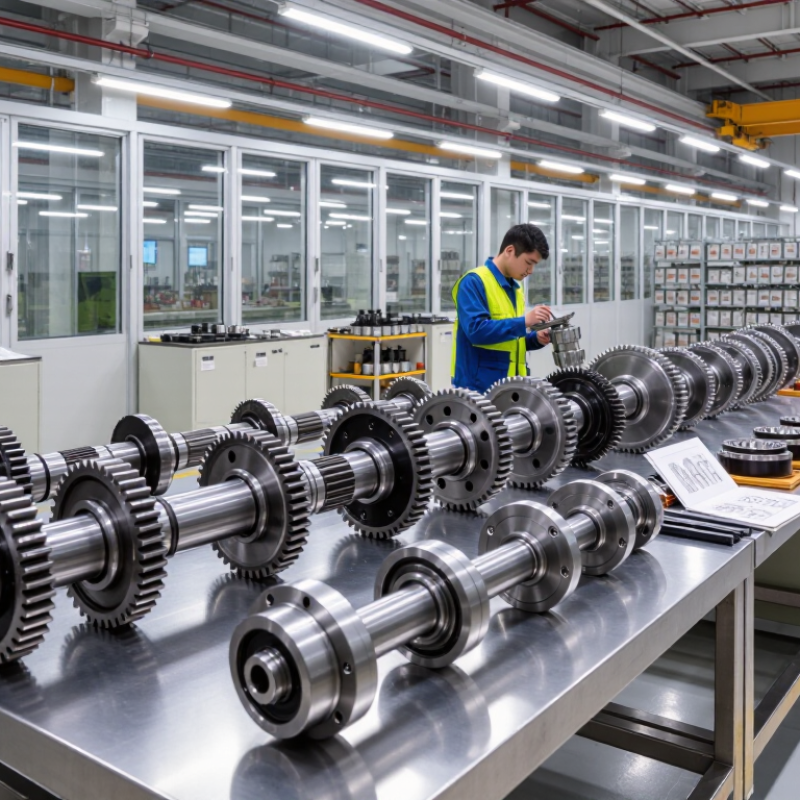
Global buyers commonly source manual transmission gears, synchronizer rings, input shafts, output shafts, and shift forks from China. These parts support repairs, remanufacturing, and low-volume vehicle production. Automatic transmission buyers often request valve bodies, solenoids, clutch plates, planetary gears, bearings, seals, filters, and gasket sets.

Part selection requires more than matching a catalog photo. Buyers should confirm tooth count, spline size, material grade, heat treatment, surface hardness, and dimensional tolerance. A shaft may look correct but fail because its spline profile differs slightly. That mistake can create noise, vibration, or premature wear. Sample inspection matters.

Factory evaluation should include process records, batch traceability, and testing equipment. Ask for hardness reports, coordinate measurement results, and inspection records for critical surfaces. Independent testing can verify metallurgy and gear accuracy. Packaging also deserves attention; coated parts need moisture protection during long ocean shipments.

Low prices can hide variable quality. They can. A reliable sourcing plan compares several samples, not just quotations. Buyers should test parts under realistic loads and review failure feedback from previous batches. Even experienced teams sometimes overlook packaging, tolerance stack-up, or replacement compatibility. Careful documentation reduces those avoidable problems.
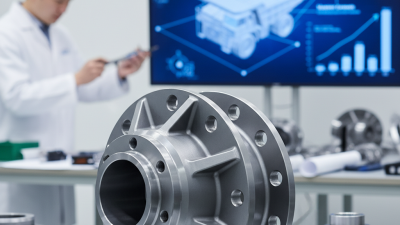
How to Evaluate Chinese Transmission Parts Manufacturers

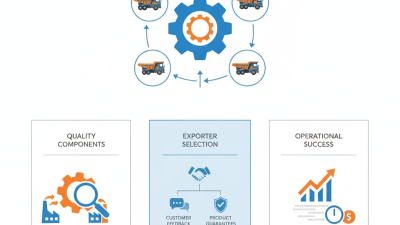
Selecting Chinese transmission parts requires more than comparing prices. A capable manufacturer should provide clear drawings, material certificates, and traceable production records. Ask how steel grades are verified before machining begins. Check whether heat treatment is performed internally or outsourced. Outsourcing is not automatically a weakness, but unclear control creates risk.

Request inspection data for gear tooth hardness, surface finish, backlash, and shaft runout. For a part such as BELAZ 75473 Transmission Gearbox 7547-1731002 – Mining Truck Parts, confirm dimensions against your original drawing. Ask for sample photographs, test reports, and packaging details before placing a large order. A serious supplier should explain its sampling plan and corrective process. It should also discuss delivery limits honestly.

Factory communication reveals practical experience. Do engineers ask about load cycles, operating temperature, lubricant type, and installation conditions? If they only repeat catalog language, investigate further. I once saw a polished quality file that omitted batch-level traceability. That weakness was easy to miss. No checklist is perfect. Review rejected parts, warranty records, and customer references where possible. A small trial order can expose machining variation, labeling errors, or weak protective packaging before these problems reach a working fleet.

How to Evaluate Chinese Transmission Parts Manufacturers

Recommended buyer evaluation weights for global sourcing decisions

Quality systems and product reliability should receive the highest priority when evaluating transmission parts manufacturers. Buyers should also verify technical compatibility, material traceability, testing capability, export compliance, delivery performance, warranty support, and total landed cost before placing an order.

Which Quality Standards and Certifications Should Buyers Check?

When sourcing Transmission Parts from China, buyers should inspect quality systems before comparing prices. ISO 9001 certification shows controlled production and documented procedures. For automotive applications, IATF 16949 is more relevant. It covers risk management, process control, and corrective actions. Check the certificate’s scope, issuing body, expiration date, and factory address. A certificate alone can mislead.

Ask for material certificates, dimensional inspection reports, hardness results, and fatigue-test data. Reliable suppliers should provide batch traceability from raw steel to final packaging. PPAP documents can reveal whether the supplier understands automotive quality requirements. For environmental concerns, ISO 14001 may also support responsible manufacturing practices. However, documents need verification. I have seen impressive reports with weak production records. That remains a serious warning.

Tips: Request a recent sample and measure critical areas, such as spline width, bearing seats, and gear backlash. Compare the results with the approved drawing, not only the supplier’s brochure. Consider an independent pre-shipment inspection. It may catch surface cracks, incorrect heat treatment, or mixed batches. Also confirm testing equipment calibration records. Small details matter. Buyers should review destination-market requirements, because certification expectations differ across countries. Leave room for doubt, especially when a supplier avoids factory visits or gives incomplete traceability.

How to Compare Prices, MOQs, Lead Times, and Shipping Terms

Best China Transmission Parts for Global Buyers?

A reliable comparison starts with one identical RFQ. Specify steel grade, heat treatment, tolerances, inspection records, packaging, and replacement policy. Otherwise, a cheaper quotation may hide missing tests or lighter packaging. Compare landed cost, not unit price. Include tooling, export documents, inland transport, insurance, duties, and bank charges. A practical benchmark is three qualified factories and one standardized drawing.

MOQ affects cash flow and production flexibility. Ask whether the supplier can mix compatible part numbers within one MOQ. Lead time should be separated into sample approval, production, inspection, and dispatch. “15 days” is unclear without these stages.

UNCTAD’s Review of Maritime Transport reports that shipping carries over 80% of global merchandise trade, so port congestion and route changes can influence delivery risk.

Incoterms must be written beside the price. FOB, CIF, and DAP transfer different costs and responsibilities.

The World Bank’s 2023 Logistics Performance Index covers 139 economies and evaluates customs, infrastructure, shipments, and timeliness. It is useful for screening destinations, but it cannot replace a factory audit.

Tips:

Request a landed-cost worksheet in the same currency. Ask for carton dimensions and gross weight before booking freight. Set a late-delivery remedy, but keep it realistic. Photograph samples beside a caliper. It feels basic, yet it catches confusion between similar gears. My own bias would be to overvalue low MOQ. That can increase unit cost and inspection work. A better decision may still be imperfect.

How to Manage Samples, Inspections, and After-Sales Support

Best China Transmission Parts for Global Buyers?

Reliable sourcing starts with a controlled sample process, not a low quotation. For BelAZ transmission parts, share drawings, operating hours, load conditions, and shaft measurements. A serious supplier should confirm material grades, heat treatment, tooth profile, and compatibility before production. Request one sample set, plus dimensional records. In my experience, clear acceptance criteria prevent arguments later. I once approved a sample after checking only the gear surface. That was too narrow. Assembly fit, noise, and oil temperature also mattered.

Tips: Ask for a sample inspection plan before payment. Check hardness at several points, not one convenient location. Compare gear backlash with the approved drawing. Photograph labels, packaging, and protective coatings before dispatch. Use an independent inspector when the order value justifies it. A short video of the parts rotating under load can reveal vibration. It is useful evidence, but not a complete test. Keep this limitation visible.

After-sales support should be written into the purchase agreement. Define response times, spare-part availability, warranty evidence, and failure-analysis steps. Suppliers should provide installation guidance and troubleshooting tables in clear English. Keep serial numbers, inspection reports, and oil records together. If a part fails, avoid immediate blame. Send photos, measurements, operating history, and removed components. A dependable supplier will review the facts and propose corrective action. Sometimes the buyer’s alignment error is the real cause. Sometimes the supplier missed a tolerance. Honest review protects both sides and improves the next order.

FAQS

How should buyers compare supplier prices?

Use one identical RFQ for every supplier. Specify steel grade, heat treatment, tolerances, inspections, packaging, and replacement terms. Compare landed cost, not unit price. Include tooling, inland transport, insurance, duties, documents, and bank charges. A low quotation may hide missing tests. Not always cheaper.

How many suppliers should be included in a comparison?

Compare at least three qualified factories using one standardized drawing. Ask each supplier for the same specifications and records. Different drawings create misleading price differences. A factory audit still matters.

What should buyers ask about minimum order quantity?

Ask whether compatible part numbers can share one minimum order. A lower minimum order may improve cash flow. However, it can increase unit cost and inspection work. I would not trust low MOQ alone. It sounds attractive.

How should lead time be described?

Separate sample approval, production, inspection, and dispatch. “Fifteen days” means little without these stages. Ask for planned dates and delay warnings. Port congestion and route changes can affect delivery. Keep the schedule visible.

Which shipping details should appear beside the price?

Write the delivery term beside every quotation. Different terms transfer different costs and responsibilities. Request carton dimensions and gross weight before booking freight. Prepare a landed-cost worksheet in one currency. Small details matter.

How should buyers control sample approval?

Share drawings, operating hours, load conditions, and shaft measurements. Request one sample set with dimensional records. Check tooth profile, hardness, backlash, assembly fit, noise, and oil temperature. Photograph the part beside a caliper. Surface appearance is not enough.

What inspection evidence is useful before dispatch?

Request an inspection plan before payment. Measure hardness at several points, not just one location. Compare backlash with the approved drawing. Photograph labels, packaging, and protective coatings. A load video can reveal vibration. It is not complete proof.

What should an after-sales agreement include?

Define response times, spare-part availability, warranty evidence, and failure-analysis steps. Keep serial numbers, inspection reports, and oil records together. If a part fails, send photos, measurements, operating history, and removed components. Do not assign blame immediately. Alignment errors can matter. Sometimes the supplier missed a tolerance.

Conclusion

Transmission Parts are essential components in vehicle powertrain systems, helping transfer engine power smoothly and reliably. For global buyers, sourcing these products from China can provide access to a broad manufacturing base, flexible production capacity, and competitive purchasing options. Commonly sourced items include gears, shafts, bearings, clutch components, synchronizers, transmission housings, seals, and repair kits. However, buyers should evaluate manufacturers based on technical expertise, production equipment, material control, quality systems, export experience, and communication efficiency.

Before placing an order, buyers should verify relevant quality standards, testing procedures, and certifications applicable to their market and product category. A careful comparison of unit prices, minimum order quantities, lead times, packaging, shipping terms, and payment conditions can help reduce total purchasing costs. It is also important to request samples, confirm specifications, arrange pre-shipment or third-party inspections, and clarify warranty and after-sales procedures. Clear documentation and regular communication can support consistent quality, reliable delivery, and long-term cooperation.

Alexander

Alexander

Alexander is a dedicated marketing professional at Huanyang Juchuang (Shaanxi) Technology Equipment Co., Ltd., where he showcases expertise in the manufacturing and distribution of high-quality parts for buses, agricultural machinery, commercial vehicles, and mining equipment. With a robust......
Previous China Top 10 Belaz Electromechanical Transmission Suppliers