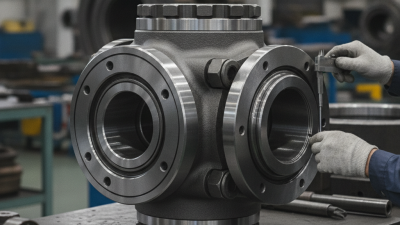
inquiry
Leave Your Message
0%

Truck accessories can really make a big difference—making your truck more useful, comfortable, and ready to handle those demanding daily tasks. For example, picking the right bed cover might keep rain off your tools, and a good floor mat can catch dirt and grit before it sneaks onto your carpet. Honestly, it’s the little choices that add up.

But here’s the thing—just looking at a shiny product photo doesn’t tell you everything. You’ve gotta double-check if it actually fits your truck’s year, make, model, cab size, and bed length. Take some time to read the installation instructions too. Pay close attention to the materials, warranty details, how much upkeep is involved, and whether the accessory could interfere with other gear. Like, a rack that blocks your garage door or a cover that makes loading trickier might just turn out to be more trouble than it’s worth.

In this guide, I’ve put together 10 practical tips for buying truck accessories—the kind that really help you compare products carefully. These questions matter: What’s the main job of this accessory? Will it fit without needing modifications? Can you install it yourself confidently, or would you be better off bringing in a pro? Does the price include all the hardware you’ll need? Sometimes, those details are easy to overlook, especially when a deal seems too good to pass up.

Here’s a quick reminder—measure twice, check compatibility again. Even the most careful buyers can slip up on one detail, and product listings aren’t always crystal clear. So it pays to be thorough.

Just a note—since I didn’t have any direct quotes from industry experts or sources, I kept things general. If you plan to publish this content, make sure to verify any quotes with real credentials and names first.
10 Truck Accessories Buying Tips for Every Buyer

Define Your Use Case and Check Payload Against the Door-Jamb Rating

Before shopping for truck accessories, decide what the truck actually does most days. A work pickup carrying tools needs different gear from one used for weekend camping. List passengers, regular cargo, towing needs, and equipment that will stay installed. Be specific. A toolbox in the bed counts every day, not just on job sites.

Check the payload information on the driver-door jamb, rather than relying on figures for a similar truck. Payload is not spare capacity reserved for accessories. Passengers, cargo, installed equipment, and a trailer’s tongue weight all use it. A canopy, drawer system, or heavy bumper can take a noticeable share. Add their weights to your estimate before buying, and leave room for items you may forget, like a full cooler or wet recovery gear.

If possible, weigh the truck with its usual accessories and load. Compare the result with the truck’s ratings, including the axle limits; payload alone may not reveal an uneven load. A paper estimate is still imperfect, especially when accessory weights are vague. Check the actual product specifications, and reconsider any setup that leaves almost no margin for changing plans.

Match Accessories to Your Truck’s Year, Make, Model, and Bed Size

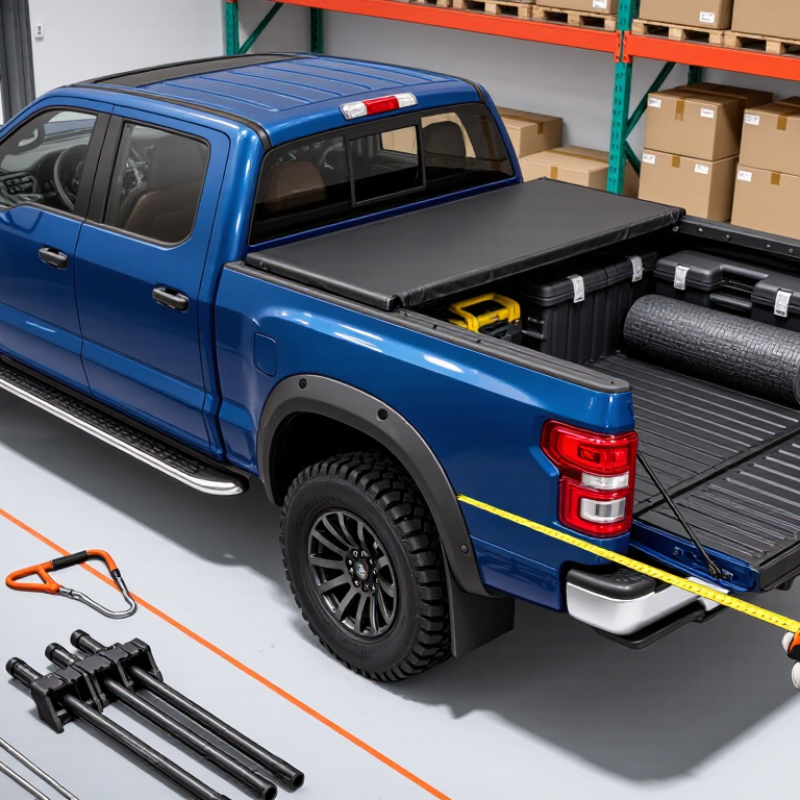
Before buying any Truck And Accessories item, match it to the truck’s exact year, make, model, cab, and bed. Similar-looking pickups can have different rail shapes, mounting points, and bed lengths. A cover listed for a 6.5-foot bed may not fit a short bed, even when the trucks share a nameplate. Check the owner’s manual, then measure the bed floor and the narrowest gap between wheel wells. Measure twice. It is easy to confuse exterior length with usable interior length.

S&P Global Mobility reported that the average U.S. vehicle age reached 12.6 years in 2024. That figure does not determine accessory fit, but it shows why year-specific details matter: older and newer versions may differ.

For a rack, confirm cab configuration and mounting locations; for a liner, check wheel-well contours and drain access.

Keep the product’s fitment chart beside your measurements, and ask the seller to confirm any unclear trim or bed designation. A tape measure can still be off. Recheck before ordering, especially if the truck has a bed cap, factory rails, or other modifications.

Verify Towing Gear Against SAE J2807 Ratings and Vehicle Limits

Before buying a hitch, brake controller, or upgraded suspension, check the truck’s door-jamb payload label and owner’s manual. SAE J2807 defines repeatable tests for towing performance, including acceleration, braking, handling, and cooling. Treat its rating as a ceiling, not a promise that every load is safe. NHTSA guidance also emphasizes staying within the vehicle’s GVWR and axle ratings. A 90-pound accessory uses 90 pounds of payload that could otherwise support passengers or cargo.

Tips: Weigh the loaded trailer, not its empty showroom weight. Add passengers, tools, and hitch hardware to the truck’s load. Then compare the combined figures with the truck’s payload, GVWR, GAWR, and tow rating. Tongue weight counts against payload. Small numbers add up fast.

Measure twice. Inspect the hitch label and confirm its rated capacity matches the truck and trailer. A mismatched receiver can become the weak point, even when the advertised tow rating looks generous. For catalog searches, the exact phrase “Rear Hub 75306-3104015 for Belaz Dump Trucks parts and Accessories” may appear, but a part listing alone does not confirm fitment. Check the part number against the vehicle’s service information. I would still verify it with a qualified technician; catalog descriptions can be imperfect. (Sources: SAE J2807; NHTSA vehicle loading guidance.)

10 Truck Accessories Buying Tips for Every Buyer - Verify Towing Gear Against SAE J2807 Ratings and Vehicle Limits

Tip Accessory What to Verify Practical Buying Check Why It Matters
1 Towing equipment Confirm the truck’s tow rating for its exact model year, engine, drivetrain, cab, axle ratio, and installed equipment. Check whether the rating is based on SAE J2807 testing. Use the vehicle owner’s manual or manufacturer towing guide, then compare the planned loaded trailer weight with the rating for that exact configuration. SAE J2807 provides a standardized method for determining tow ratings; a rating from a different truck configuration may not apply.
2 Hitch receiver and ball mount Check the receiver, ball mount, and hitch ball ratings, including separate maximum trailer-weight and tongue-weight limits. Use the lowest applicable rating among the truck, receiver, ball mount, hitch ball, and other towing components. A high-rated component does not raise the capacity of a lower-rated component or the vehicle.
3 Payload-related accessories Account for passengers, cargo, aftermarket equipment, and trailer tongue load against the truck’s payload limit. Check the payload information on the vehicle’s certification label and weigh the loaded truck when practical. Accessories and passengers use available payload; staying below the tow rating alone does not guarantee the truck is within its payload limits.
4 Trailer and hitch setup Check the truck’s gross combined weight rating (GCWR), gross vehicle weight rating (GVWR), axle ratings, and the trailer’s actual loaded weight. Compare scale weights with the limits in the truck and trailer documentation. Include the truck, occupants, cargo, and trailer in the appropriate calculations. Several separate vehicle and combination limits can apply at the same time.
5 Trailer brake controller Verify compatibility with the trailer’s braking system and the truck’s electrical connection and equipment requirements. Confirm the controller supports the trailer’s brake type and number of braked axles, and test the brakes at low speed before travel. Correctly functioning trailer brakes help control a loaded combination; legal requirements vary by location and trailer weight.
6 Weight-distribution hitch Check whether the hitch is appropriate for the trailer and truck, and follow both manufacturers’ setup instructions. Set up the system using measured vehicle and trailer heights or scale readings; do not exceed any hitch, receiver, or vehicle limit. Proper adjustment can help manage load distribution, but it does not increase the truck’s rated capacity.
7 Replacement tires and wheels Match tire size, load rating, speed rating, and wheel specifications to the vehicle requirements and expected loads. Check the tire information label and owner’s manual. Set cold tire pressure to the vehicle’s specified pressure unless the vehicle or tire instructions direct otherwise. Tire sidewall maximum pressure is not a substitute for the vehicle’s recommended pressure or load requirements.
8 Suspension helpers and leveling components Check fitment, installation requirements, and any effect on ride height, alignment, handling, or warranty coverage. Choose components for the truck’s intended load and have alignment and headlight aim checked if installation changes vehicle height. Helper springs or air systems can support a load but do not increase GVWR, axle ratings, payload, or tow rating.
9 Bed racks, toolboxes, and bed covers Verify bed and cab fitment, mounting points, accessory weight, and any stated load limits. Include the accessory and its contents in the payload calculation. Confirm that the mounting hardware is suitable for the truck bed. Added weight reduces available payload, and an accessory’s load rating does not change the truck’s structural or vehicle limits.
10 Cargo tie-downs and recovery gear Check working load limits, attachment points, and whether equipment is intended for cargo securement or vehicle recovery. Use rated tie-downs attached to suitable points, protect straps from sharp edges, and keep recovery equipment within its specified use. Securement and recovery gear serve different purposes; using equipment outside its intended rating can lead to failure.

Choose Lighting and Electrical Parts That Meet FMVSS No. 108

When choosing truck lighting, look beyond brightness and price. FMVSS No. 108 covers required lamps, reflective devices, and related equipment on vehicles and trailers. Check that replacement headlights, turn signals, tail lamps, and reflectors match the truck’s original fitment and intended function. Ask for compliance documentation, not just a “road-ready” claim; a label alone may not answer every question. Check the fit. A poorly aimed headlamp can create glare, while a loose connector may fail after rain or vibration.

NHTSA’s 2022 Traffic Safety Facts reported 42,514 U.S. traffic deaths that year. This figure is not specific to lighting, but it underlines why visibility deserves careful attention. For Off Road Accessories, confirm that added light bars or wiring do not block required lamps or compromise the factory lighting system. Keep wiring secured away from hot surfaces and moving parts. Then test every function, including hazards and brake lamps, after installation. Small details matter. I’d also recheck aim and connections after the first rough drive; that step is easy to skip, and it should not be.

Truck Lighting Buying Check: Common Lamp Counts

A common light-duty pickup layout uses two lamps for each function shown. Treat these counts as illustrative, not a universal legal minimum: FMVSS No. 108 requirements depend on vehicle type, dimensions, and model year. Before buying, confirm the part is intended for your vehicle and that its color, mounting position, and photometric performance meet applicable requirements.

Compare Materials, Weather Resistance, Warranties, and Total Cost

10 Truck Accessories Buying Tips for Every Buyer

Truck accessories face heat, rain, road grit, and frequent handling. Compare materials before focusing on appearance. Powder-coated steel can feel sturdy, while aluminum is lighter and may resist rust. Fabric covers should have reinforced seams and clear care instructions. No material is perfect. Fit matters. Check measurements against your truck’s model and bed configuration, then inspect mounting points for sharp edges or loose hardware.

Tips: Ask how the accessory handles standing water, sun exposure, and temperature changes. Read warranty terms carefully, including exclusions for wear, installation, or corrosion. A longer warranty is useful only when its coverage is clear. Keep the receipt and installation instructions.

Look beyond the purchase price. Add shipping, required tools, installation, and likely replacement parts to estimate total cost. A low-cost cover may need more upkeep; a heavier rack could affect fuel use. Those trade-offs vary with driving and storage conditions, so avoid assuming one option suits every buyer. I would also reconsider accessories that add features I rarely use. Practical details, such as easy cleaning and accessible fasteners, can matter more after a muddy week than a polished product photo.

Check Installation, Tire-Pressure Guidance, and Ongoing Maintenance

When buying truck accessories, ask how installation affects tire access, suspension travel, and pressure checks. A bed-mounted load or oversized wheel can change handling and make routine inspections harder. Have an installer verify fastener torque, steering clearance at full lock, and any wiring before you leave. Small details matter.

Use the pressure on the driver-door placard, not the maximum printed on the tire sidewall. The U.S. Department of Energy’s FuelEconomy.gov guidance estimates that each 1 psi drop across all tires can reduce fuel economy by about 0.2%. Check tires when cold, with a reliable gauge, at least monthly and before long trips. NHTSA also recommends regular tire inspections for cuts, uneven wear, and embedded objects. Keep a gauge in the cab. It is easy to forget.

Maintenance should match the accessory and the miles you drive. Recheck wheel fasteners after installation as specified by the installer, and inspect brackets for looseness, rust, or contact marks. Clean mud from steps and underbody fittings; trapped grit can hide wear. If you’re comparing Sinotruk howo cab accessories, confirm that mounting points remain accessible for checks and repairs. I’ve learned that “fit and forget” is tempting, but rarely wise. Keep a simple service log, even if it is imperfect.

A Practical Guide to Shacman Delong M3000 and X3000 Stainless Steel Intercooler and Intake Pipes

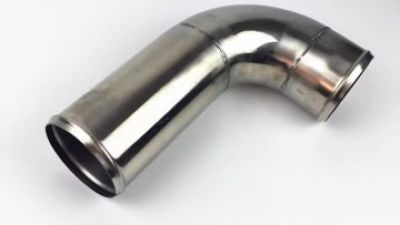
The intercooler outlet and engine intake pipe carries cooled, compressed air from the intercooler to the engine, helping maintain a consistent air supply for combustion. The International Energy Agency’s *The Future of Trucks* reports that heavy-duty vehicles account for about 25% of road-transport CO₂ emissions, underscoring the value of keeping truck systems in good working order. For compatible M3000 and X3000 trucks, model DZ97259534015 is designed as a direct-replacement pipe for this air path.

Made from stainless steel, the pipe offers resistance to heat, rust and corrosion—useful advantages over plastic or ordinary iron in demanding operating conditions. Precision bending and seamless welding help reduce leak risks, while rubber sealing rings at both ends support a secure connection. Its dimensions follow OEM specifications, so installation requires no modification. Each unit is tested for air tightness and pressure resistance before delivery, making it a practical replacement option for repair shops, fleet maintenance teams and heavy-truck parts distributors.

FAQS

What details should I check before ordering truck accessories?

Match the truck’s year, make, model, cab, and bed size. Similar pickups can have different mounting points. Check the fitment chart.

How can I measure the truck bed accurately?

Measure the bed floor and the narrowest gap between wheel wells. Compare usable interior length, not exterior length. Measure twice.

Why does the truck’s model year matter?

Older and newer versions may differ in rail shapes, mounting points, or bed dimensions. Confirm the exact trim and configuration.

What should I check before adding towing equipment?

Review the door-jamb payload label, owner’s manual, and hitch rating. Keep the truck, trailer, and equipment within their listed limits.

Does tongue weight count toward payload?

Yes. Tongue weight, passengers, tools, and hitch hardware all use payload capacity. Small numbers add up fast.

Should I use the trailer’s empty weight when checking limits?

No. Weigh the loaded trailer, then include passengers and cargo in the truck. I still double-check the numbers.

What should I look for in replacement truck lighting?

Check that each lamp matches its intended function and fits the truck. Ask for compliance documentation, not just a “road-ready” claim.

What should I inspect after installing lights or wiring?

Test headlights, turn signals, hazards, and brake lamps. Secure wiring away from heat and moving parts. Recheck connections after a rough drive.

Conclusion

Choosing the right Truck Accessories starts with understanding how you use your vehicle, whether for work, recreation, or everyday driving. Estimate the weight you plan to carry and compare it with the payload rating on the driver-side door-jamb label. Before buying, confirm that each accessory is designed for your truck’s year, make, model, and bed size. Towing equipment should also suit the vehicle’s stated limits and relevant SAE J2807 ratings, while lighting and electrical components should meet applicable FMVSS No. 108 requirements.

Look beyond the purchase price when comparing materials, weather resistance, warranty coverage, and total ownership costs. Consider whether installation requires professional help, and follow the vehicle and accessory instructions for tire-pressure guidance and routine maintenance. A careful check of fit, capacity, safety, and upkeep can help you select practical accessories that work together and support dependable truck use over time.


Alexander

Alexander

Alexander is a dedicated marketing professional at Huanyang Juchuang (Shaanxi) Technology Equipment Co., Ltd., where he showcases expertise in the manufacturing and distribution of high-quality parts for buses, agricultural machinery, commercial vehicles, and mining equipment. With a robust......
Previous Best China Transmission Parts for Global Buyers?