

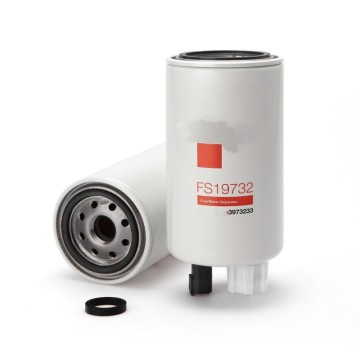
What Is a Vehicle Cabin Air Filter?
A vehicle cabin air filter is a critical filtration component designed to clean the air entering both the passenger cabin and the engine intake system. In heavy-duty commercial vehicles, agricultural machinery, buses, and mining equipment, these filters serve a dual purpose: protecting the engine from harmful particulates and ensuring that drivers and operators breathe clean, filtered air during long working hours.
Modern cabin air filters are engineered using multi-layer media — combining mechanical filtration, activated carbon layers, and electrostatic charge technology — to capture dust, pollen, mold spores, exhaust gases, fine particulate matter (PM2.5), and volatile organic compounds (VOCs). For vehicles operating in construction sites, farmlands, open-pit mines, and urban freight corridors, high-performance filtration is not a luxury but an operational necessity.
Global Market Status: Commercial & Industrial Filtration Landscape
The global vehicle air filtration market was valued at over USD 4.8 billion in 2023 and is projected to exceed USD 7.2 billion by 2030, driven by tightening emission regulations, growing awareness of occupational health, and the rapid expansion of commercial vehicle fleets in emerging economies including China, India, Southeast Asia, and Sub-Saharan Africa.
In the commercial vehicle segment — encompassing heavy trucks, dump trucks, transit buses, and construction machinery — the demand for high-capacity intake air filters has surged dramatically. Stricter Euro VI and China VI emission standards have pushed OEMs and fleet operators to upgrade their filtration systems to reduce engine wear, lower maintenance costs, and meet compliance requirements.
Agricultural machinery represents another high-growth vertical. Tractors, combine harvesters, and other field equipment operate in environments with extreme dust concentrations — often 10 to 100 times higher than urban roads. Cabin air filters for agricultural vehicles must handle heavy particulate loads while maintaining low restriction to preserve engine power output.
Development Trends in Vehicle Intake Air Filtration
- Nanofiber Filter Media: Next-generation filters use nanofiber-coated media that achieves superior dust-holding capacity with lower airflow resistance, extending service intervals and improving filtration efficiency to >99.9% for particles above 1 micron.
- Smart Filtration Monitoring: IoT-enabled filter condition sensors are being integrated into fleet management systems, providing real-time alerts when filters reach capacity — reducing unplanned downtime and enabling predictive maintenance.
- Multi-Stage Filtration Systems: Heavy-duty applications increasingly adopt two-stage or three-stage filtration architectures — pre-cleaners, primary filters, and safety elements — to handle extreme dust environments in mining and agriculture.
- Electrostatic & HEPA-Grade Cabin Filters: Driven by post-pandemic health awareness, bus and commercial vehicle cabin filters are now being upgraded to HEPA-equivalent standards, capable of capturing 95%+ of airborne biological contaminants.
- Eco-Friendly Recyclable Filter Materials: Manufacturers are developing biodegradable and recyclable filter media to align with circular economy goals and reduce the environmental impact of high-volume filter replacement.
Deep Application Scenarios: Where Cabin Air Filters Matter Most
▶ Heavy-Duty Trucks & Long-Haul Freight
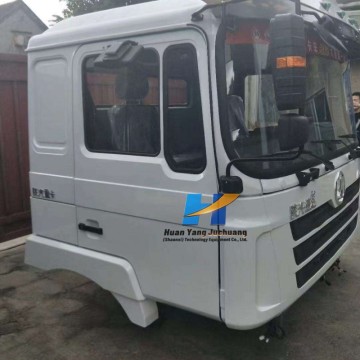
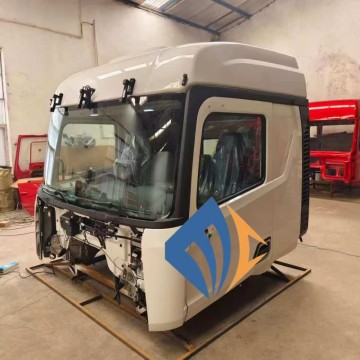
Long-haul trucks such as SINOTRUK HOWO, Shacman F3000, and Kenworth series operate continuously for 10–18 hours per day. Cabin air filters in these vehicles must simultaneously protect the driver from highway exhaust pollution and prevent fine road dust from entering the HVAC system. Intake air filters on these engines are critical for maintaining turbocharger life — a clogged filter can increase fuel consumption by up to 8% and reduce engine life significantly.
▶ Agricultural Machinery & Field Equipment
John Deere 6105M, 6140M series tractors and similar agricultural equipment operate in fields where airborne dust, chaff, pollen, and fertilizer particles create an extremely challenging filtration environment. The AL115625 / AL177185 air filter kit is specifically engineered to handle these conditions, providing extended service life and consistent engine protection even during peak harvest season operations.
▶ Transit Buses & Passenger Coaches
Urban transit buses carry hundreds of passengers daily through congested city environments. Cabin air filtration in buses like BONLUCK and similar platforms directly impacts passenger health, driver alertness, and HVAC system longevity. Activated carbon filters in bus cabins remove nitrogen dioxide, ozone, and fine particulates — contaminants that are particularly harmful during extended urban exposure.
▶ Mining & Construction Equipment
Open-pit mining dump trucks and construction machinery face the most extreme filtration challenges of any vehicle category. Dust concentrations at active mine sites can reach 50–200 mg/m³ — far exceeding safe exposure limits. Cabin pressurization systems combined with high-efficiency air filters create a positive-pressure clean zone for operators, reducing silica dust exposure and preventing occupational respiratory disease.
▶ Industrial Fleet Management
Fleet operators managing mixed vehicle portfolios — including trucks, buses, and off-highway equipment — increasingly standardize on premium filtration components to simplify procurement, reduce SKU complexity, and ensure consistent quality across their entire fleet. Full-category parts suppliers like Huanyang Juchuang provide a critical service by offering compatible filtration solutions across multiple brands and equipment types from a single source.
Why Filtration Quality Directly Impacts Total Cost of Ownership
The economics of vehicle air filtration extend far beyond the purchase price of the filter itself. Engine rebuilds caused by dust ingestion can cost USD 15,000–80,000 depending on engine size. Turbocharger failures linked to poor filtration average USD 3,000–12,000 in parts and labor. Conversely, a high-quality air filter costing USD 50–200 can prevent thousands of dollars in engine damage and extend major component life by 20–40%.
For fleet operators, the ROI calculation is clear: investing in premium, application-matched cabin and intake air filters is one of the highest-return maintenance decisions available. This understanding is driving a global shift away from low-cost generic filters toward engineered, OEM-equivalent filtration solutions.